
Pico Fractional Review: Is It Worth It?
Quick answer: Pico fractional is worth it if you want to improve enlarged pores, rough texture, fine lines or shallow scars with only one to three days of redness, and you can plan three to five sessions. At Dernia Clinic Myeongdong it starts from ₩149,000 for the full face (KRW, excluding VAT). Deep scars usually need stronger resurfacing.
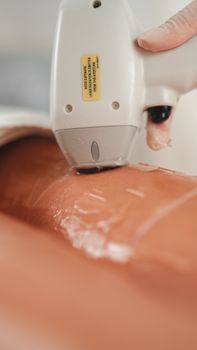
- Our verdict: A good middle ground for texture and pores with little downtime; too mild for deep scars
- Best for: Enlarged pores, rough texture, fine lines and shallow acne scars, including pigment-prone skin
- Not ideal for: Deep boxcar or icepick scars, sagging, people wanting one-session results
- Comfort: Moderate prickling heat with numbing cream
- Downtime: 1–3 days of redness and mild roughness
- Value: Good per session; plan for a three-to-five-session course
- Price from: ₩149,000 (full face)
Our take on pico fractional
This is our medical team's honest assessment of pico fractional laser. It is an editorial review by our doctors, not a set of patient reviews, and it explains where pico fractional fits among the resurfacing options at Dernia Clinic Myeongdong. Our other assessments are on the expert reviews hub.
Pico fractional uses a picosecond laser with a fractional handpiece that focuses energy into many tiny points inside the skin. These create micro-injuries beneath a mostly intact surface, which trigger collagen remodeling while keeping recovery short. In our doctors' view it is an excellent middle ground: more texture improvement than toning, far less downtime than ablative CO2 laser. The trade-off is that its effect is milder, so it takes several sessions and has limits for deep scarring.
Pros
- Short downtime. Redness and slight roughness usually settle within one to three days.
- Gentler on pigment-prone skin. With the surface largely intact, the risk of post-inflammatory darkening is lower than with ablative resurfacing.
- Improves several concerns. Pores, rough texture, fine lines and shallow scars often improve together.
- Brightening bonus. Many people also notice a clearer, more even tone.
- Combines well. It pairs with boosters such as Rejuran to support repair.
Cons
- Milder effect. Each session gives modest change; deep scars respond less.
- Needs a course. Three to five sessions about four weeks apart are typical.
- Visible for a few days. Redness and pinpoint marks may be noticeable for a day or two.
- Not a lifting treatment. It refines the surface; it does not tighten sagging skin.
- Sun care is essential. Treated skin is sensitive to sun for a couple of weeks.
Who pico fractional is best for
Our doctors recommend it for people with enlarged pores, rough texture, fine lines or shallow rolling acne scars who want visible improvement without a week of downtime. It suits pigment-prone and darker skin types well, and travelers who can schedule sessions across visits or a longer stay.
Who should consider something else
- Deeper acne scars: ablative resurfacing does more per session, with longer recovery. See Pico fractional vs CO2 fractional laser.
- Scars plus active oiliness or pores: Potenza RF microneedling works deeper with similar downtime.
- Texture without any downtime: a collagen booster such as Juvelook is gentler on the surface.
- Pigment only: pico toning is the lighter option.
- Medical reasons: avoid it with active acne flares or infection, cold sores, recent isotretinoin use, a fresh tan, or a tendency to keloid scarring. Your doctor confirms suitability.
Comfort and what it feels like
Numbing cream is applied for about 30 minutes. During treatment you will feel prickling heat and snapping as the handpiece passes over the face. A session takes about 20 to 30 minutes plus numbing. Afterward the skin looks red, like a mild sunburn, and may feel slightly rough for one to three days. Our day-by-day laser aftercare guide explains how to care for it.
Value for money
Pico fractional at Dernia starts from ₩149,000 for the full face, with course options on the pico fractional price page. Prices are in Korean won (KRW), exclude 10% VAT, and are confirmed at your consultation. Per session it costs less than ablative or RF resurfacing. Over a three-to-five-session course the total is moderate, and the short recovery is a real advantage for people who cannot take time off.
Our verdict
Pico fractional is worth it for pores, texture, fine lines and shallow scars when you want results with only a few days of redness. It is not worth it for deep scars that need stronger resurfacing. Read our guide to building an acne scar plan, then book a consultation and your doctor will grade your scars and recommend the right laser or combination.
Not sure which treatment is right for you?
Tell us your concerns and your travel dates. A doctor examines your skin in person, explains your options in English, and confirms the plan and price before anything is done.
FAQ
Frequently asked questions
Straight answers from our medical team. Still unsure? Ask a doctor or browse all patient questions .
Is pico fractional worth it?
It is worth it for pores, rough texture, fine lines and shallow scars when you want short downtime. Plan for three to five sessions. Deep scars usually need stronger treatment.
How much downtime is there after pico fractional?
Most people have redness and mild roughness for one to three days. Makeup can usually be worn after the first day or two once the skin settles.
Pico fractional or CO2 laser: which should I choose?
CO2 laser gives stronger results for deeper scars but needs about a week of recovery. Pico fractional is gentler with shorter downtime. Your doctor chooses based on scar depth and your schedule.
Is pico fractional safe for darker skin?
It is often a good choice for pigment-prone and darker skin because the surface stays largely intact. Sun protection and correct settings remain important.
How many sessions do I need?
Three to five sessions about four weeks apart are typical. Your doctor may combine sessions with a booster to support repair.
Keep exploring
Related treatments, prices and guides
Related treatments
- Pico fractional treatment guide — how a session works
- CO2 fractional laser — stronger resurfacing for deep scars
- Potenza RF microneedling — deeper remodeling
- Rejuran Healer — supports repair between sessions
Price
- Pico fractional price in Seoul — sessions and courses
- CO2 fractional laser price — the stronger alternative
Concerns
- Acne scars — all scar options
- Fine lines — lasers, boosters and Botox
Guides
- Building an acne scar treatment plan — step by step
- Skincare routine after treatments — what to use
- When can I wear makeup after laser? — recovery timing
Plan your visit to Dernia Clinic Myeongdong
English consultations, clear prices in Korean won and treatment plans built around your time in Seoul. Tell us your dates and we will suggest a schedule that fits.
Individual results vary. Suitability, dosage and final price are confirmed by a licensed doctor at your consultation. Prices are in Korean won (KRW) and exclude 10% VAT. Medical disclaimer