
First Visit to a Korean Skin Clinic: What to Expect
Quick answer: At a Korean skin clinic you check in, fill in a medical form, see a doctor for a 15–30 minute consultation, get a written quote, and can often be treated the same day after numbing. At Dernia Clinic Myeongdong, consultations are in English and prices are quoted in KRW excluding 10% VAT. Allow about 1–3 hours, depending on the treatment.
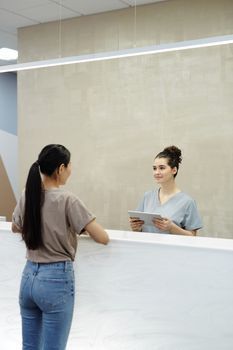
- Booking: Recommended; walk-ins depend on availability
- Consultation: Usually 15–30 minutes, in English
- Same-day treatment: Often possible once the doctor confirms you are suitable
- Time at the clinic: About 45 minutes to 3 hours
- What to bring: Passport, medication list, details of past treatments
- Pricing: KRW, excluding 10% VAT; no cosmetic VAT refund since January 1, 2026
Before you arrive: book ahead and share the basics
Korean skin clinics run on tight schedules, and popular slots fill quickly, especially on weekends. Booking ahead is the simplest way to be seen on the day you want; walk-ins depend on availability. When you request a consultation, mention your travel dates, your main concerns and any treatments you have had in the past year, such as fillers, threads, toxins or lasers.
If you use retinol or other strong actives, take blood thinners, or have taken isotretinoin recently, say so early. Some treatments need a pause beforehand. Read should I stop retinol before treatment? and our full guide to preparing for your clinic appointment.
What happens on the day, step by step
- Check-in and medical form. You complete a short health questionnaire covering medications, allergies, pregnancy and past procedures. Bring photo ID, such as your passport, for registration.
- Photos for your record. Many Korean clinics take standardized photos so your doctor can compare your skin over time. They stay in your private medical record.
- Consultation with a doctor. At Dernia Clinic Myeongdong, consultations are held in English and usually take 15–30 minutes. Your doctor examines your skin, explains the options that fit your goals and your schedule, and tells you honestly when a treatment is unlikely to help.
- Quote and consent. You receive a plan that lists the amount of each treatment (shots, lines, cc or units) and the price. You sign consent only once your questions are answered.
- Cleansing and numbing. Makeup is removed. For many lasers, radiofrequency devices and injections, a numbing cream is applied for about 20–40 minutes.
- Treatment. Performed by a licensed medical doctor. Most facial treatments take 10–60 minutes.
- Soothing and aftercare. A calming mask or cooling may follow, and you leave with written aftercare instructions.
Korean clinic terms you will hear
| Term | What it means | Example |
|---|---|---|
| Shots | Number of energy pulses delivered by a device | Thermage FLX 300 or 600 shots |
| Lines | Number of ultrasound lines delivered | Ulthera Prime 100 or 300 lines |
| cc or ml | Volume of injected product | Rejuran Healer 2cc, filler 1cc |
| Units | Dose of botulinum toxin | Forehead or jaw Botox |
| Korean vs imported toxin | Locally made brands vs Botox (Allergan), Xeomin or Dysport | Botulax, Nabota, Coretox |
| Course or series | A set of sessions spaced days or weeks apart | Pico toning, 5–10 sessions |
Pricing per unit makes quotes easy to compare once you know the terms. Our guide to shots, lines and cc explains it in detail.
How long to allow
| Visit type | Typical time at the clinic |
|---|---|
| Consultation only | 30–45 minutes |
| Wrinkle Botox or a quick laser toning session | About 45–60 minutes including consultation |
| Skin booster such as Rejuran Healer | About 1–1.5 hours including numbing |
| Lifting such as Thermage FLX or Ulthera Prime | About 1.5–2.5 hours including numbing |
| Several treatments combined | About 2–3 hours |
Your first-visit checklist
- Passport or other photo ID
- A list of your medications and supplements, including aspirin, fish oil, vitamin E or blood thinners, which can increase bruising
- Names and dates of past fillers, threads, toxins or lasers, if you know them
- Your flight date home, so your doctor can plan around any downtime
- Sunscreen, a hat and sunglasses for afterward
- Clean skin, or light makeup that is easy to remove
Prices, VAT and payment
Prices at Korean clinics are quoted in Korean won (KRW) and often exclude 10% VAT, so always ask whether a quote is VAT-inclusive. The special VAT refund that foreign patients could once claim on cosmetic procedures ended on January 1, 2026, so budget for the full amount. Our 2026 VAT update explains the change, and the payment and tax page covers how billing works at Dernia. You can browse indicative costs in our price guides. Prices are in Korean won (KRW), exclude 10% VAT, and are confirmed at your consultation.
Tips for a smooth first visit
- Ask to see what is used. Sealed tips, cartridges and product boxes can be opened in front of you, and many devices display a shot counter. This is normal practice in Seoul.
- Take your time. Korean clinics move quickly, but you can always ask for a moment to think. You should never feel pressured to add treatments.
- Start conservatively. If a treatment is new to you, a moderate dose or a single session is a sensible start, especially before a long flight.
After your visit
Follow your written aftercare and keep the clinic's contact details handy. Mild redness, small injection bumps and slight swelling are common and usually settle within hours to a few days, depending on the treatment. Learn what is normal and what is not in our guide to side effects and when to contact us, and read our general aftercare advice.
When you are ready, book a consultation and your doctor will build a plan around your trip. You can also read how a visit to Dernia works or explore more planning guides before you travel.
Not sure which treatment is right for you?
Tell us your concerns and your travel dates. A doctor examines your skin in person, explains your options in English, and confirms the plan and price before anything is done.
FAQ
Frequently asked questions
Straight answers from our medical team. Still unsure? Ask a doctor or browse all patient questions .
Do I need to book in advance at a Korean skin clinic?
Booking ahead is recommended, especially for weekends and longer treatments such as lifting. Walk-ins depend on the day's availability. Sending your travel dates when you book helps the clinic plan your visit. See do I need to book in advance?
How long does a consultation take?
Most consultations take 15–30 minutes. Complex plans, or several concerns at once, can take a little longer. You are welcome to ask questions until you feel clear about the plan.
Can I have treatment on the same day as my consultation?
Often, yes. Most non-surgical treatments can be done straight after the consultation once the doctor confirms you are suitable and time allows. Some plans, such as a series of sessions, start on day one and continue later in your trip.
Will the doctor speak English?
Dernia Clinic Myeongdong offers consultations in English, so you can discuss your goals, risks and aftercare directly with your doctor.
Should I arrive with makeup on?
Light makeup is fine because the team will cleanse your skin before treatment. Arriving with clean skin saves a little time, especially if numbing cream is needed.
Why do Korean clinics take photos?
Standardized photos help your doctor assess your skin and track changes between visits. They are kept in your confidential medical record.
Keep exploring
Related treatments, prices and guides
Before you go
- How to prepare for your appointment — what to stop, bring and plan
- Questions to ask at your consultation — a ready-made list
- Shots, lines and cc explained — how Korean clinics price treatments
- How to choose a skin clinic in Seoul — a neutral checklist
Practical information
- How it works — your visit at Dernia from booking to aftercare
- How long does a consultation take? — what to expect on timing
- Do you offer consultations in English? — language and communication
- Payment and tax — KRW pricing and VAT in 2026
Popular first treatments
- Pico Toning — gentle laser for tone and glow with no real downtime
- Wrinkle Botox — quick and easy to fit into a trip
- Rejuran Healer — a popular Korean skin booster
- First Glow Package — a low-downtime introduction
Plan your visit to Dernia Clinic Myeongdong
English consultations, clear prices in Korean won and treatment plans built around your time in Seoul. Tell us your dates and we will suggest a schedule that fits.
Individual results vary. Suitability, dosage and final price are confirmed by a licensed doctor at your consultation. Prices are in Korean won (KRW) and exclude 10% VAT. Medical disclaimer